

Plumbing Skills for Beginners: A Complete Starter Overview
Plumbing is one of the most in-demand skilled trades, supporting homes, buildings, and entire water systems. New plumbers begin with foundational knowledge and grow into highly specialized professionals through training, certification, and hands-on experience. Developing strong plumbing skills for beginners creates the pathway to a stable, respected, and well-paid career.
Beginners don’t need years of experience to start learning. The trade welcomes hands-on learners who want a mix of practical work, problem-solving, and technical skills. With the right training and exposure to real plumbing environments, new learners quickly understand how water systems function, how tools are used, and how to identify issues before they turn into major repairs.
Why Foundational Plumbing Skills Matter Early
Beginners often start with small tasks, but those early skills shape future proficiency. Understanding basic methods helps new plumbers approach each task safely and confidently.
Essential early skills include:
- Learning how drainage and supply systems move water
- Recognizing materials like PVC, copper, galvanized steel, and PEX
- Using beginner tools correctly
- Understanding how fixtures connect to the main water lines
- Identifying common problems such as blockages, slow drains, and loose fittings
- Following basic safety steps before touching any system
Early competence supports long-term problem-solving, faster learning, and fewer mistakes in the field.
Building Confidence Through Tool Familiarity
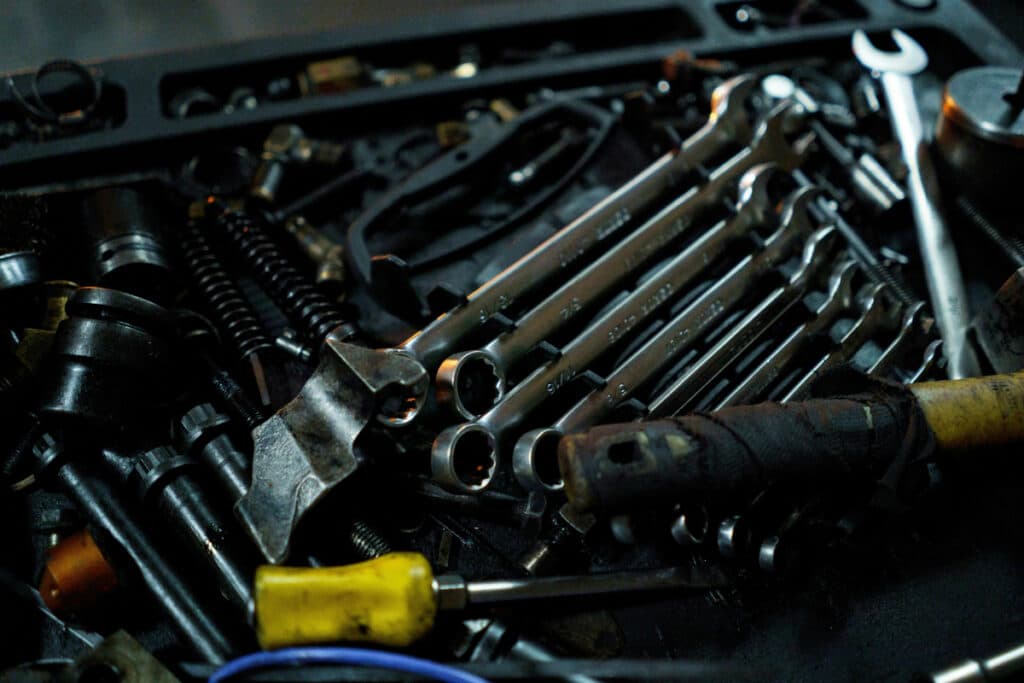
Tools are central to plumbing work, and beginners benefit from becoming comfortable with them. Tools are central to plumbing work, and beginners grow much faster when they become comfortable handling, selecting, and maintaining them early in their learning journey. Understanding what each tool does and why it matters prevents mistakes, improves speed, and helps new plumbers develop the kind of instinctive problem-solving that comes with real field experience.
Wrenches and Pliers
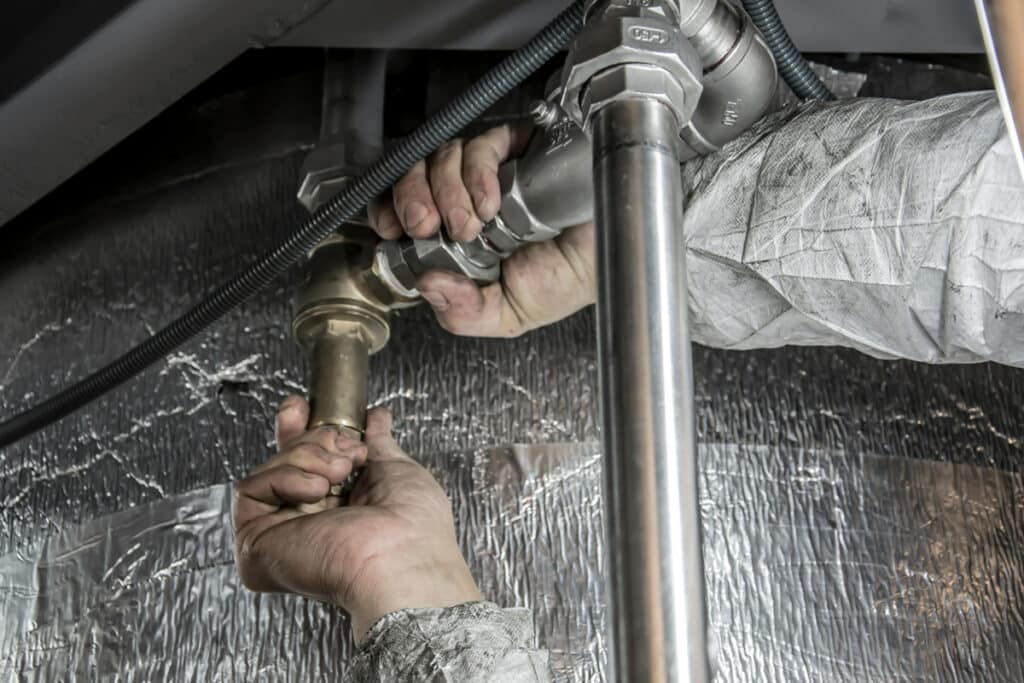
These are the backbone of plumbing work. Beginners learn how to grip, tighten, and loosen pipes and fittings without stripping threads or damaging components. Proper leverage and pressure are key skills every plumber must master.
Pipe Cutters and Saws
Clean, accurate cuts ensure that connections seal properly. Whether working with PVC, PEX, or copper, beginners practice making straight cuts, deburring edges, and preparing pipes for installation.
Plungers and Drain Snakes
Before tackling advanced drainage tools, new plumbers learn how to clear basic clogs effectively. Knowing how to choose the right auger size and use it safely prevents pipe damage and restores flow without unnecessary dismantling.
Teflon Tape and Sealants
Creating leak-free joints is one of the most important beginner skills. Learning how to wrap Teflon tape correctly, apply thread sealants, and test connections builds confidence during installations and repairs.
Levels and Measuring Tools
Proper alignment is critical in plumbing. Beginners learn how slope affects drainage, how to measure distances accurately, and how to use levels to ensure that pipes and fixtures sit exactly where they should.
Developing familiarity with these tools early helps beginners move beyond basic tasks and prepares them for more advanced work as they progress through training and certification.
How Long Does It Take to Become a Plumber?
A core question new learners often ask is how long does it take to become a plumber, and the answer depends on the route chosen. Becoming a professional plumber requires a combination of education, apprenticeship hours, and testing.
Most people progress through:
- Several months to two years of schooling or pre-apprenticeship training
- Three to five years of apprenticeship under a licensed plumber
- Certification exams and supervised field hours
- Applying for a plumber’s license once the requirements are met
The typical total timeframe ranges from four to six years, but the trade offers steady job growth and strong earning potential throughout the process.
Why Plumbing Certification Is an Important Step
Many states and employers expect new plumbers to obtain plumbing certification as part of their qualification process. Certification verifies a beginner’s understanding of safety standards, sanitation codes, repair methods, installation techniques, and material requirements.
Certification benefits beginners by:
- Increasing credibility with employers
- Providing access to higher-level jobs
- Building knowledge of codes and regulations
- Helping prepare for a plumber license exam
- Improving long-term earning potential
Certification is not always required in every state, but it consistently strengthens a new plumber’s career path.
Beginner-Friendly Techniques Every New Plumber Should Learn
Early techniques shape how quickly beginners grow in the trade. Mastering the fundamentals creates reliable habits and prepares new plumbers for more advanced repairs, installations, and troubleshooting later on. These techniques build confidence, reduce errors, and help beginners understand how plumbing systems function as a whole.
Identifying Shut-Off Valves
Before touching any pipe or fixture, beginners must know how to locate and turn off shut-off valves. This includes fixture-level valves, appliance valves, and the main supply valve. Properly shutting down water flow prevents accidental flooding, reduces cleanup, and ensures repairs can be done safely.
Reading Simple Plumbing Layouts
Even basic plumbing diagrams reveal how fixtures connect to supply lines, vents, and drainage paths. Learning to read these layouts helps beginners visualize hidden piping, understand system flow, and diagnose problems more accurately without unnecessary disassembly.
Recognizing Proper Drainage Slopes
Drainage relies heavily on gravity, and even minor slope problems can cause clogs or slow flow. Beginners learn how to check for correct slope angles, understand how venting affects drainage, and identify when misalignment could be contributing to recurring blockages.
Replacing Basic Fixtures
Entry-level tasks like swapping faucets, tightening supply lines, installing aerators, or replacing traps help beginners build hand skills and mechanical awareness. These tasks teach how fixtures connect, how seals work, and how to identify worn components.
Spotting Symptoms of Larger Problems
Beginners learn to watch for warning signs such as rust around valves, unexpected moisture under sinks, gurgling noises, slow drainage, or unusual odors. These small indicators often point to bigger issues—corrosion, leaks, venting problems, or pipe damage—that require more advanced troubleshooting.
Learning these techniques early allows beginners to approach plumbing work with confidence, accuracy, and a strong understanding of how each component in a system affects the rest.
Plumber License Requirements for the Future Professional
A plumber license allows plumbers to work independently, supervise others, and take responsibility for system compliance. Beginners don’t start here, but understanding the requirements helps set clear expectations.
Most states require:
- Documented supervised field hours
- Plumbing certification or passing of standardized exams
- Knowledge of updated plumbing codes
- Proof of insurance or bonding
- Continuing education for license renewal
Once a license is obtained, plumbers can expand into project management, contracting, inspection roles, or even business ownership.
What New Plumbers Earn: Understanding Real Income Potential
It’s common for beginners to search how much do plumbing make when exploring the trade. Earnings depend on certification level, experience, region, and specialization. Apprentices usually start with modest hourly wages that increase steadily during training.
As skills grow and certification is achieved, the average pay for plumber rises considerably. Licensed plumbers earn higher rates because they can take on more complex installations, supervise other workers, and perform independent work.

Additional income opportunities often include:
- Overtime
- Emergency service calls
- On-call pay
- Specializations like gas lines, water heaters, or commercial systems
- Contractor or business owner income
Plumbing remains one of the most financially stable skilled trades, with strong long-term demand.
Mistakes Beginners Should Avoid While Learning
Avoiding common errors helps beginners improve more quickly:
- Forgetting to turn off the water supply
- Overtightening fittings or using the wrong connectors
- Mixing incompatible pipe materials
- Ignoring venting or drainage slope requirements
- Relying on guesswork instead of measuring
- Using incorrect tools for tight spaces
- Skipping safety gloves or eye protection
Awareness of these mistakes helps beginners develop safe and reliable work habits.
Moving Forward With Confidence as a New Plumber
Strong plumbing skills for beginners lead to a long, rewarding trade career. As training progresses, those early skills expand into advanced troubleshooting, full system installation, and professional-level expertise. Many plumbers eventually open their own service business or move into specialized areas that pay even higher wages.
As you grow in the field, tools like Service Fusion can help manage scheduling, invoicing, customer history, and field operations, making professional work easier and more organized.
Related Posts
Plumbing License Requirements by State
Continue ReadingFree vs Paid Field Service Management Software: Is It Worth the Cost?
Continue ReadingStay Informed
Get the latest news and insights plus, Service Fusion offers and updates.Thank you for your submission.
SHARE