

HVAC Load Calculator
Results
Calculated cooling load
—
Calculated cooling load (tons)
—
Recommended equipment capacity
—
Want to turn estimates into real jobs faster?
See how Service Fusion helps HVAC businesses quote, schedule, and win more jobs.
How this HVAC Load Calculator Works
This HVAC load calculator estimates cooling requirements using a simplified version of industry-standard sizing principles. It calculates your home’s cooling load based on: Climate region (temperature demand), Square footage (base load), Ceiling height (air volume)

Step 1: Base Cooling Load
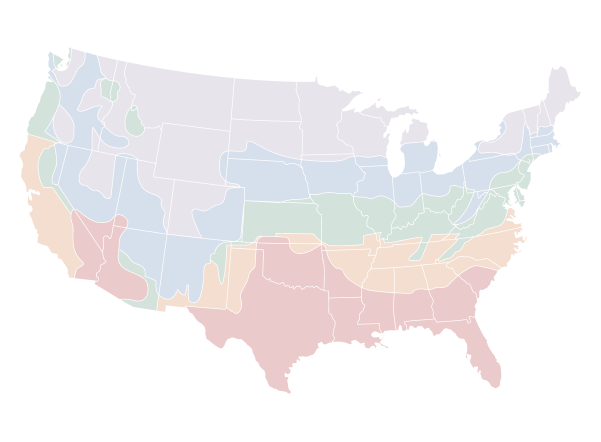
The calculator starts by estimating cooling demand based on your home’s size and climate region. Warmer regions require morecooling capacity per square foot than cooler regions.

Step 2: Ceiling Height Adjustment
Homes with higher ceilings contain more air volume, which increases the cooling load. The calculator adjusts your result based on how your ceiling height compares to a standard 8-foot ceiling.

Step 3: Final Load Calculation
The tool combines these factors to produce an estimated cooling load in BTUs per hour, then converts that value into tons to match standard HVAC equipment sizing.
Features

What Size Air Conditioner Do I Need?
Choosing the right air conditioner size depends on your home’s total cooling load, not just square footage alone.
Air conditioners are sized in tons, which measure how much heat the system can remove per hour:
-
 1 ton = 12,000 BTU
-
2 tons = 24,000 BTU
-
3 tons = 36,000 BTU
-
4 tons = 48,000 BTU
-
5 tons = 60,000 BTU
Most homes require between 2 and 5 tons, depending on climate, size, and ceiling height. This HVAC load calculator estimates your required BTUs and converts that into a recommended tonnage range, helping you quickly determine what size air conditioner you may need. Keep in mind that proper sizing is critical. An oversized system can cycle too frequently and reduce efficiency, while an undersized system may struggle to keep your home comfortable. For best results, use this estimate as a starting point and confirm with a licensed HVAC professional.

When to Use an HVAC Load Calculator
An HVAC load calculator is useful any time you need a quick estimate of system size. Use this tool when:
-
Replacing an existing air conditioner or heat pump
-
Planning a new HVAC installation
-
Estimating system size for a home addition
-
Comparing quotes from HVAC contractors
-
Getting a rough idea before a professional
While this calculator provides a strong estimate, final sizing should always be confirmed by a licensed HVAC professional.
HVAC Load Glossary
BTU (British Thermal Unit)
A unit of heat energy. In HVAC, BTUs per hour measure how much heat an air conditioner can remove.
Cooling Load
The amount of heat that must be removed from a space to maintain a comfortable temperature.
Ton (Cooling Capacity)
A standard HVAC measurement. One ton equals 12,000 BTU per hour.
Square Footage
The total area of the space being cooled. Larger spaces require more cooling capacity.
Ceiling Height
Higher ceilings increase air volume, which raises cooling demand.
Climate Region
A geographic classification based on temperature. Hotter regions require larger HVAC systems.
Manual J Calculation
A detailed industry-standard method used by HVAC professionals to determine precise heating and cooling loads.
Frequently Asked Questions
1. What is an HVAC load calculator?
2. How accurate is this HVAC load calculator?
3. How many BTUs do I need per square foot?
4. How do I convert BTUs to tons?
5. What size air conditioner do I need?
6. What happens if my AC unit is too large?
7. What happens if my AC unit is too small?
8. Can I use this calculator for a single room?
9. Is this the same as a Manual J calculation?
Ready to simplify your HVAC business?
Service Fusion helps contractors manage estimates, scheduling, invoicing, and more...