
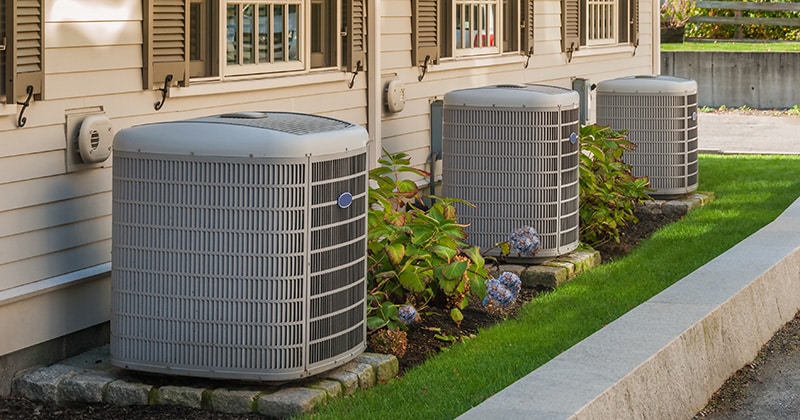

The HVAC industry is shaped by a handful of global powerhouses that control most of the market. A homeowner sees a logo on a box. But an HVAC professional sees a partnership backed by a supply chain, a warranty department, and a company mindset.
What to Look for in HVAC Manufacturers
When you review an HVAC brands list, you want a company that matches the quality of your own work. A well-built system makes the install smoother and keeps the homeowner happy long after you leave. It’s about picking a brand that works as hard as you do.
Here are five key factors to consider:
- Reliability: Stick with brands known for tough components and high-quality assembly. Installing reliable gear means your customers get exactly what they paid for.
- Warranty: Look for manufacturers that stand behind their products. Long-lasting warranties are great selling points that give homeowners confidence in their investment.
- Support: Choose brands that offer great technical resources. Clear manuals backed by reliable support help your crew work efficiently and stay on top of the latest system designs.
- Pricing: Find a manufacturer that offers the right balance of quality and value. When the pricing is fair, you can offer your customers generous deals while keeping your business profitable.
- Availability: Strong local distribution plays a major role. When you can get your hands on equipment and parts the same day, you can get jobs started sooner and keep your projects on schedule.
Top HVAC Manufacturers in the Industry
A handful of big players dominate the market. These leading HVAC companies have the manufacturing scale to keep parts in stock. Their large R&D budgets push efficiency and low Global Warming Potential (GWP) refrigerants.
1. Daikin Industries (Japan)
Daikin is one of the largest HVAC manufacturers in the world, controlling roughly 15% of the global market. Through their acquisition of Goodman and Amana, they maintain an impressive manufacturing and distribution footprint for HVAC manufacturers and suppliers in North America.
Best for: High-efficiency residential heat pumps and complex multi-zone commercial projects. They are the primary source for variable refrigerant volume (VRV) technology, a term they trademarked and pioneered.
2. Carrier Global (USA)
Carrier is an industry heavyweight and one of the most recognized names in the trade. In April 2026, the company reported Q1 sales of $5.34 billion.
Best for: Commercial rooftop units and residential jobs where brand name and dealer support matter. Their Greenspeed Intelligence technology allows systems to run more efficiently and quietly by adjusting speeds to match exactly what the home needs.
3. Trane Technologies (Ireland/USA)
Trane has built its entire brand on the idea that its equipment keeps running in extreme conditions. They put their units through weeks of torture tests to make sure they won’t quit on you when the temperature hits triple digits.
Best for: Heavy-duty commercial systems and residential installs where you want the lowest possible callback rate. The Trane Climatuff® was the world’s first successful heat pump compressor. It’s still known in the trade today for being one of the most rugged motors ever built.
4. Johnson Controls (USA/Ireland)
Johnson has been around for over 140 years. Since selling its residential division to Bosch in 2025, Johnson Controls has shifted its focus to large commercial buildings. They no longer sell furnaces or AC units for houses, but they remain a leading manufacturer for big infrastructure, hospitals, and data centers.
Best for: Large commercial projects, hospitals, and connected buildings where uptime takes priority. Their systems use AI platforms to watch over the equipment. These smart controls can predict when a part is starting to wear out, allowing you to fix it during a scheduled maintenance visit rather than getting a 2 a.m. emergency call.
5. Bosch Home Comfort Group (Germany)
In August 2025, Bosch finished an $8.1 billion deal to buy the residential and light commercial business from Johnson Controls. This massive acquisition makes Bosch a top-tier power player in North America, merging German engineering with the trusted American brands that techs have installed for decades.
Best for: Residential and light commercial jobs where you’ve always relied on York, Coleman, or Luxaire. Bosch is now the company backing the warranties and supplying the parts for these familiar brands. They’re investing in making these systems more efficient and easier for techs to service.
6. Mitsubishi Electric (Japan)
If you are doing ductless work, Mitsubishi is the standard-bearer. They’ve led the way in helping homeowners move to high-efficiency heat pumps, especially in regions with older homes where running new ductwork isn’t an option.
Best for: Ductless retrofits and high-efficiency heating in cold climates. Their Hyper-Heating (H2i) technology makes these systems a viable primary heat source. They are designed to maintain full heating capacity even in extreme, sub-zero temperatures.
7. Midea Group (China)
Midea is a global powerhouse that builds the guts for many well-known brands as an original equipment manufacturer (OEM). They are one of the largest producers of residential air conditioners in the world, specializing in high-efficiency inverter technology.
Best for: High-volume residential work and multi-family projects where you need to stay competitive on price without sacrificing modern features. Their newest system, the H-Pack indoor heat pump, won the MCE 2026 Excellence Award for its installer-friendly design that walks a tech through a full system setup in about 5 minutes.
RELATED ARTICLE — How to Start an HVAC Business Today
HVAC Manufacturers by System Type (AC, Furnace, Heat Pump)
Most HVAC equipment manufacturers offer full lines, but some brands stand out in specific categories.
Air Conditioning (AC)
- Top players: Carrier, Trane, and Lennox
- Best for: Standard split-system cooling in homes and light commercial buildings
Furnaces (Gas & Oil)
Heat Pumps
- Top players: Mitsubishi, Daikin, and Bosch
- Best for: All-electric or hybrid systems, especially in regions pushing for lower emissions
Best HVAC Manufacturers for Residential Systems
Many of the same industry giants dominate the residential HVAC manufacturers’ world. A few core parent companies own the majority of brands that residential technicians install and service every day.
The Value Leader: Goodman
- Why: Great for high-volume residential installs or working on a budget. Goodman offers strong availability and straightforward pricing.
The Premium Pick: Carrier
- Why: Best for homeowners who want the quietest units and the name-brand recognition that helps with home resale value.
The Electric Expert: Mitsubishi Electric
- Why: The undisputed king of residential ductless and mini-split systems for homes without existing ductwork.
RELATED ARTICLE — 150+ Creative HVAC Company Name Ideas
Best HVAC Manufacturers for Commercial Systems
Commercial HVAC manufacturers focus on a whole different game from residential. You’ve got bigger equipment, longer run hours, and building owners who lose serious money if the system goes down.
The Institutional Powerhouse: Johnson Controls (YORK)
- Why: Since selling their residential side to Bosch in 2025, JCI is focused on heavy-duty commercial gear for hospitals, data centers, and other large buildings.
The Rooftop Specialist: Carrier Commercial
- Why: Carrier’s WeatherMaker and WeatherMaster lines are the common rooftop units (RTUs) you’ll see on retail and office buildings.
The Innovation Leader: Daikin
- Why: Daikin is the go-to brand for VRV systems that handle multiple zones with different temperature needs in one building.
How to Choose the Right HVAC Manufacturer for Your Business
Choosing a brand is a business partnership. To get it right, look past the marketing and evaluate how a manufacturer impacts your bottom line. Focus on these three areas:
Job Type
Match the brand to the work you do most. If your business is built on standard, affordable home replacements, you need a brand known for simple units that are always in stock. If you specialize in high-efficiency systems or modern heat pumps, you need a manufacturer that leads the way in quiet performance and high-end controls.
Margins
Profit is what you keep after the job is closed. A cheap unit that breaks in the first month results in a callback that eats your profit in labor and gas. Look for a manufacturer with a straightforward warranty process. If filing a claim is a paperwork nightmare or if the brand has strict registration rules that trap you in liability issues, it’s going to cost you money.
Serviceability
Your technicians’ time is expensive. Look at the cabinet design: can a tech reach the capacitor, igniter, or sensor without disassembling the entire unit? Gear that is easy to fix means more calls completed per day. Also, make sure the manufacturer has a solid tech support line that actually answers when your crew is stuck on a difficult call.
RELATED ARTICLE — Build Lasting Customer Relationships for Your HVAC Business
Comparing HVAC Brands: Pricing, Warranty, and Support
Here’s a clear side-by-side look at how the top HVAC manufacturers stack up. Prices shown with dollar signs are relative installed costs for a typical residential system that can vary by location and model. One $ is budget-friendly, while four $$$$ means premium-priced equipment. Warranty includes the typical length with registration for parts and compressor coverage.
| Brand | Relative Cost | Warranty | Reliability & Support | Best For |
| Goodman | $ | 10-year parts Lifetime compressor (select models) | Strong availability Easy service | High-volume residential |
| Bosch/YORK | $$ | 10-year parts & compressor | Solid after 2025 acquisition | Residential & light commercial |
| Carrier | $$$ | 10-year parts & compressor | Excellent dealer network & support | Brand-name residential jobs; rooftop units |
| Trane | $$$$ | 10-year parts 10- to 12-year compressor | Very durable; low callback rate Strong in extremes | When reliability matters most |
| Lennox | $$$$ | 10-year parts & compressor (up to 12 years on select models) | Highest efficiency Good but specialized parts | High-efficiency residential installs |
| Daikin | $$-$$$ | 12-year compressor & parts (many models) | Excellent inverter tech Strong R&D support | High-efficiency heat pumps & VRV commercial |
| Mitsubishi | $$$ | 12-year parts & compressor | Top-tier for ductless Excellent cold-climate support | Ductless retrofits & cold-climate heat pumps |
How to Manage HVAC Equipment and Vendors More Efficiently
Once you settle on the brands you like the best, staying organized can quickly get complicated. Tools built for HVAC contractors help you track equipment, vendors, inventory, and job history in one place.
Many contractors have trouble keeping track of their inventory. Technology like Service Fusion lets you monitor stock levels across trucks and warehouses so you never run out of standard parts in the middle of a job. You can create purchase orders and assign material costs to specific jobs. You’re able to see real-time inventory without digging through spreadsheets.
Good software also helps you compare how different vendors perform. You can schedule maintenance and pull reports on which brands give you the fewest issues. The less time you spend on chasing parts and updating spreadsheets, the more time you have for installs and service calls.
Discover a better way to run your HVAC service business with Service Fusion.
Related Posts
Best Field Service Software for Businesses With 5 to 20 Technicians (2026)
Continue ReadingField Service Software Data Migration Checklist
Continue ReadingStay Informed
Get the latest news and insights plus, Service Fusion offers and updates.Thank you for your submission.
SHARE